
10 Early Signs You’re Experiencing Burnout and How to Respond

Updated: Apr 2
Recognizing and addressing stress before it becomes overwhelming.
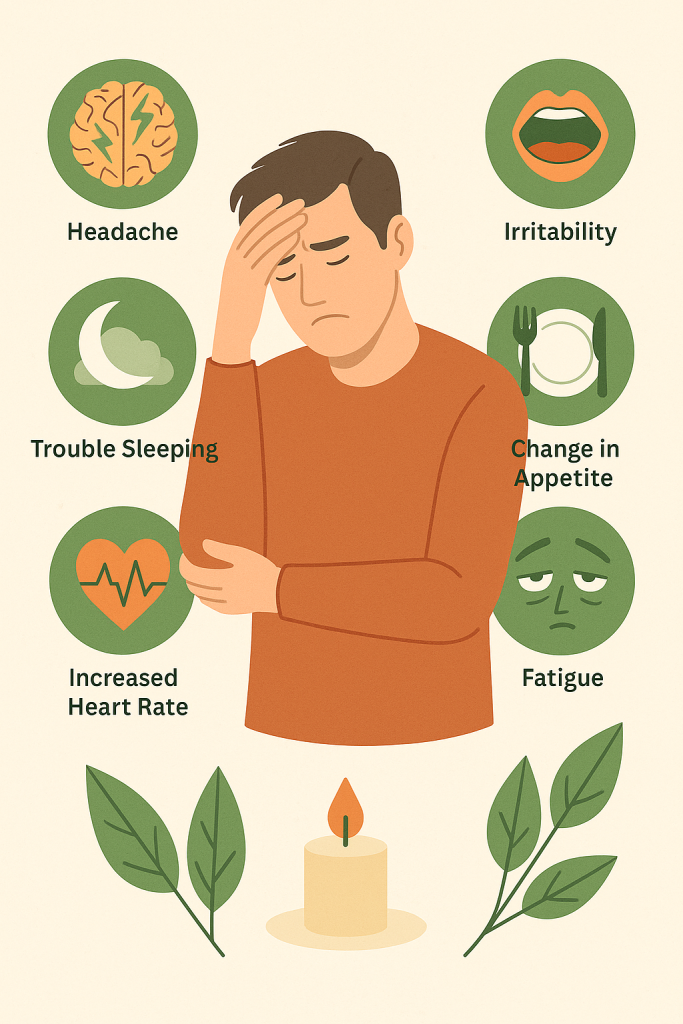
Burnout is a prolonged state of physical, emotional, and mental exhaustion that can develop when stress is chronic and coping strategies are overwhelmed. Research shows that early recognition of burnout signs allows individuals to intervene before symptoms become severe, supporting mental and physical health (Maslach & Leiter, 2016; APA, 2023). This article outlines ten common early warning signs of burnout, provides practical ways to respond, and highlights considerations for neurodiverse individuals, including those experiencing autistic burnout and ADHD burnout.
Understanding Burnout
Burnout is more than feeling tired or having a busy week. It is a chronic response to prolonged stress that exceeds your coping resources. Symptoms can emerge slowly and may first appear in subtle ways, such as irritability or reduced motivation. Recognizing early signs is essential for preventing more severe emotional, cognitive, and physical consequences (Maslach & Leiter, 2016).
10 Early Signs of Burnout
1. Persistent Fatigue
Feeling physically and mentally drained even after rest can signal that your nervous system is overtaxed (APA, 2023).
2. Difficulty Concentrating
Burnout can impair attention and memory, making work or daily tasks feel more challenging than usual.
3. Reduced Motivation
Tasks that once felt meaningful may now feel tedious or overwhelming.
4. Emotional Irritability or Mood Swings
You may notice heightened frustration, impatience, or emotional sensitivity with colleagues, friends, or family.
5. Sleep Disturbances
Burnout often disrupts sleep patterns, leading to insomnia, restless nights, or waking up feeling unrefreshed (APA, 2023).
6. Increased Anxiety or Worry
Chronic stress can elevate physiological arousal, creating a persistent sense of tension or apprehension.
7. Withdrawal from Others
Feeling disconnected from friends, family, or colleagues can be an early coping strategy to manage overwhelm.
8. Reduced Sense of Accomplishment
You may feel ineffective, doubt your abilities, or struggle to feel pride in your work or personal achievements.
9. Physical Symptoms
Burnout often manifests physically, including headaches, gastrointestinal issues, muscle tension, or frequent illness due to stress-related immune changes (Segerstrom & Miller, 2004).
10. Loss of Enjoyment
Hobbies, social activities, or routines that previously brought joy may now feel flat or exhausting.
How to Respond
Early intervention is key. Evidence-based strategies include:
1. Self-Compassion and Reflection
Acknowledge your experiences without judgment. Journaling, mindful check-ins, or talking with a trusted friend can help identify sources of stress and fatigue.
2. Set Boundaries
Evaluate commitments and create space for rest. Learning to say no or delegating tasks reduces overload.
3. Prioritize Sleep and Nutrition
Regular sleep and balanced meals support nervous system regulation and overall resilience (APA, 2023).
4. Movement and Physical Activity
Exercise reduces stress hormones and supports emotional regulation. Even short walks or gentle movement can help.
5. Mindfulness and Relaxation Practices
Breathing exercises, meditation, or progressive muscle relaxation help calm the nervous system and improve attention.
6. Seek Professional Support
Therapy provides a safe space to explore underlying stressors, build coping skills, and strengthen emotional regulation. Cognitive Behavioral Therapy and mindfulness-based approaches are particularly effective in addressing burnout (Kabat-Zinn, 1990; APA, 2023).
Neurodiverse Perspectives: Autistic & ADHD Burnout
It’s important to recognize that burnout can look different for neurodiverse individuals. Autistic burnout often emerges after prolonged social, sensory, or emotional strain. People experiencing autistic burnout may notice deep exhaustion, increased sensitivity, difficulty managing daily routines, and a sense of being “shut down” even in familiar environments. These experiences can feel confusing or isolating, making understanding and validation essential.
Similarly, ADHD burnout can develop when someone is consistently pushing to maintain focus, meet expectations, or manage executive functioning demands. This type of burnout often presents as mental fatigue, irritability, emotional overwhelm, or difficulty completing tasks, even when the person is motivated or engaged. Both autistic and ADHD burnout highlight the importance of personalized strategies, pacing, and professional support to restore balance, energy, and emotional regulation.
When to Reach Out
If you notice multiple early signs of burnout, taking action sooner rather than later is important. Burnout can intensify if unaddressed, potentially leading to depression, chronic anxiety, or physical health challenges (Maslach & Leiter, 2016). Therapy can help you develop personalized strategies, create sustainable routines, and restore energy and engagement in daily life.
At Coyote Counseling, we provide compassionate, client-centered therapy for adults and young adults, specializing in stress management, anxiety support, life transitions, emotional regulation, and burnout support, including neurodiverse burnout such as autistic and ADHD burnout. Contact us here to get started.
References
American Psychological Association. (2023). Stress effects on the body.
Kabat-Zinn, J. (1990). Full catastrophe living: Using the wisdom of your body and mind to face stress, pain, and illness. New York, NY: Dell Publishing.
Maslach, C., & Leiter, M. P. (2016). Burnout. In G. Fink (Ed.), Stress: Concepts, cognition, emotion, and behavior (Vol. 1, pp. 351–357). Academic Press.
Segerstrom, S. C., & Miller, G. E. (2004). Psychological stress and the human immune system: A meta-analytic study. Psychological Bulletin, 130(4), 601–630.
This blog is for educational purposes and is not a substitute for individualized mental health care. If you are experiencing a medical or mental health emergency, please seek immediate professional support.